Start your digital marketing journey with practical training, live projects, and AI-powered modules through the Digital Marketing Courses in Andheri.

What is Digital Marketing?
Digital marketing refers to the use of digital platforms, technologies, and internet-based tools to promote products, services, or brands to potential customers. It involves reaching consumers through various online channels such as websites, search engines, social media, email, mobile applications, and digital advertisements. In today’s highly connected world, digital marketing has become an essential part of business strategy, enabling organizations to connect with their target audience more effectively, efficiently, and economically than traditional marketing methods. Learn SEO, Google Ads, social media marketing, and more with the Digital Marketing Courses in Borivali.
The rapid growth of the internet, smartphones, and social media has transformed the way people interact with brands. Consumers now research products online, read reviews, compare prices, and make purchases through digital platforms. As a result, businesses must maintain a strong online presence to remain competitive and relevant.
Key Components of Digital Marketing
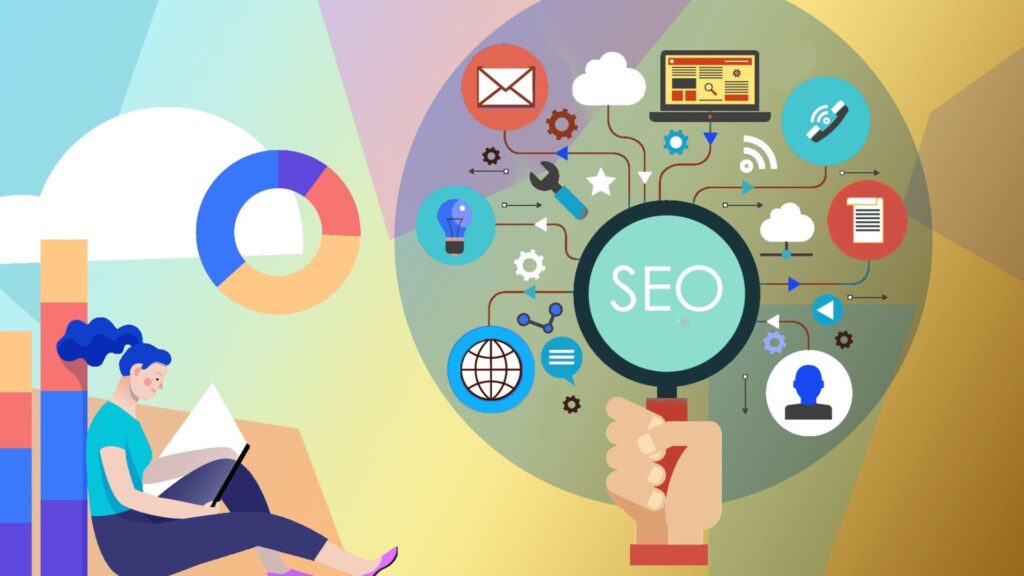
- Search Engine Optimization (SEO):
SEO involves optimizing a website to improve its visibility in search engine results. The goal is to rank higher on platforms like Google, making it easier for users to find a business organically. SEO includes keyword research, content optimization, technical website improvements, and building quality backlinks.
- Content Marketing:
Content marketing focuses on creating and sharing valuable, relevant, and engaging content to attract and retain customers. This includes blogs, articles, videos, infographics, podcasts, and social media posts. High-quality content builds trust, educates audiences, and helps establish a brand as an authority in its industry.

- Social Media Marketing:
This involves promoting products or services through platforms like Facebook, Instagram, Twitter, LinkedIn, and YouTube. Social media marketing allows businesses to engage directly with customers, build brand awareness, encourage interaction, and run targeted advertising campaigns.

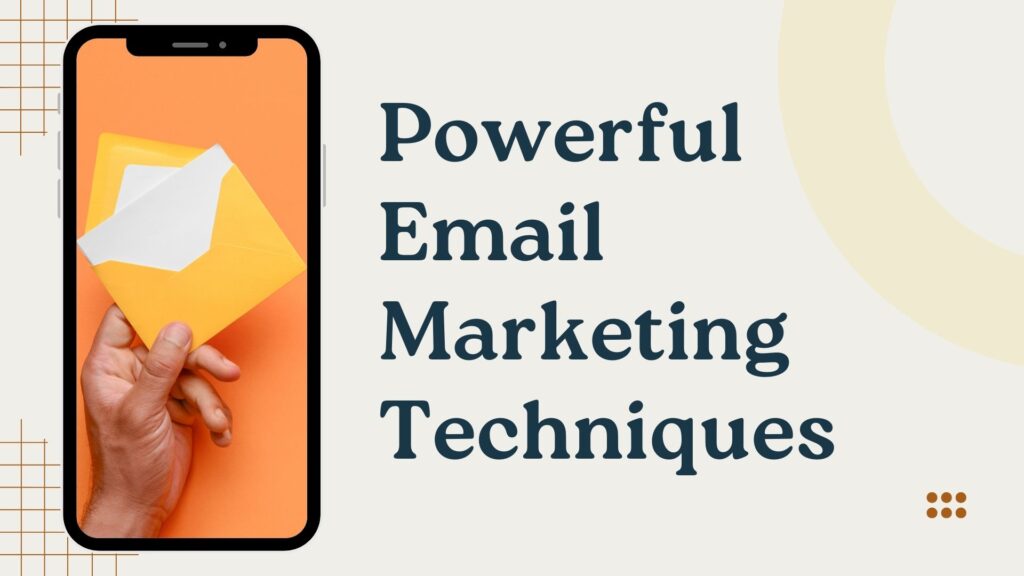
- Email Marketing:
Email marketing is the practice of sending promotional messages, newsletters, and updates directly to subscribers’ inboxes. It helps maintain relationships with customers, promote special offers, and provide personalized content based on user preferences.
- Pay-Per-Click Advertising (PPC):
PPC is a paid advertising model where advertisers pay a fee each time their ad is clicked. Common examples include Google Ads and social media ads. PPC allows businesses to reach a targeted audience quickly and measure results accurately.

- Affiliate Marketing:
In affiliate marketing, businesses partner with individuals or companies (affiliates) who promote their products. The affiliates earn a commission for each sale or lead generated through their marketing efforts.

- Influencer Marketing:
Influencer marketing involves collaborating with popular social media personalities who have a strong follower base. These influencers promote products or services, helping brands reach new audiences and build credibility.

Importance of Digital Marketing
Digital marketing offers several advantages over traditional marketing methods. First, it allows businesses to reach a global audience, breaking geographical boundaries. A small business can market its products internationally using online platforms. Explore how AI is transforming digital marketing and helping businesses achieve better results in AI in Digital Marketing.
Second, digital marketing is cost-effective. Compared to television, radio, and print advertising, digital campaigns often require lower investment and provide higher returns. Businesses can set flexible budgets and adjust campaigns based on performance.
Third, it enables precise targeting. Marketers can target specific audiences based on age, location, gender, interests, and online behavior. This ensures that promotional efforts reach people most likely to convert into customers.
Fourth, digital marketing provides measurable results. Tools like Google Analytics and social media insights allow businesses to track website traffic, engagement, conversions, and customer behavior. This data-driven approach helps improve strategies and maximize effectiveness.
Digital Marketing Strategies
Successful digital marketing depends on well-planned strategies. Businesses typically start by identifying their target audience and defining clear goals, such as increasing brand awareness, generating leads, or boosting sales. They then select appropriate digital channels to achieve these objectives.
A strong online presence begins with a user-friendly and mobile-optimized website. High-quality content and SEO techniques help attract organic traffic. Social media platforms are used to build community engagement, while email campaigns nurture customer relationships. Paid advertising supports faster reach and immediate results.
Marketing automation tools and artificial intelligence are increasingly being used to personalize customer experiences, analyze data, and streamline marketing operations.
Challenges in Digital Marketing
Despite its advantages, digital marketing also presents challenges. High competition makes it difficult for brands to stand out. Search engine algorithms and social media policies change frequently, requiring constant updates to marketing strategies. Data privacy concerns and cybersecurity risks also pose significant challenges.
Additionally, maintaining consistent content quality and customer engagement demands time, creativity, and technical skills.
Future Scope of Digital Marketing
The future of digital marketing is highly promising. With the rise of artificial intelligence, voice search, augmented reality, and data analytics, marketing strategies are becoming more personalized and interactive. Businesses are increasingly focusing on customer experience and relationship-building rather than just product promotion.
In India, especially in cities like Mumbai, the rapid growth of internet users, e-commerce, and smartphone penetration is driving digital marketing expansion. As businesses continue shifting online, the demand for skilled digital marketing professionals is rising significantly.
Conclusion
In conclusion, digital marketing is a powerful and dynamic form of marketing that uses digital technologies to connect businesses with consumers. It provides cost-effective, measurable, and targeted solutions to promote products and services. With continuous technological advancements and growing internet usage, digital marketing is set to play an even more vital role in shaping the future of business and communication.
If you’d like, I can also provide short notes, diagrams, examples, or exam-ready answers 😊
